
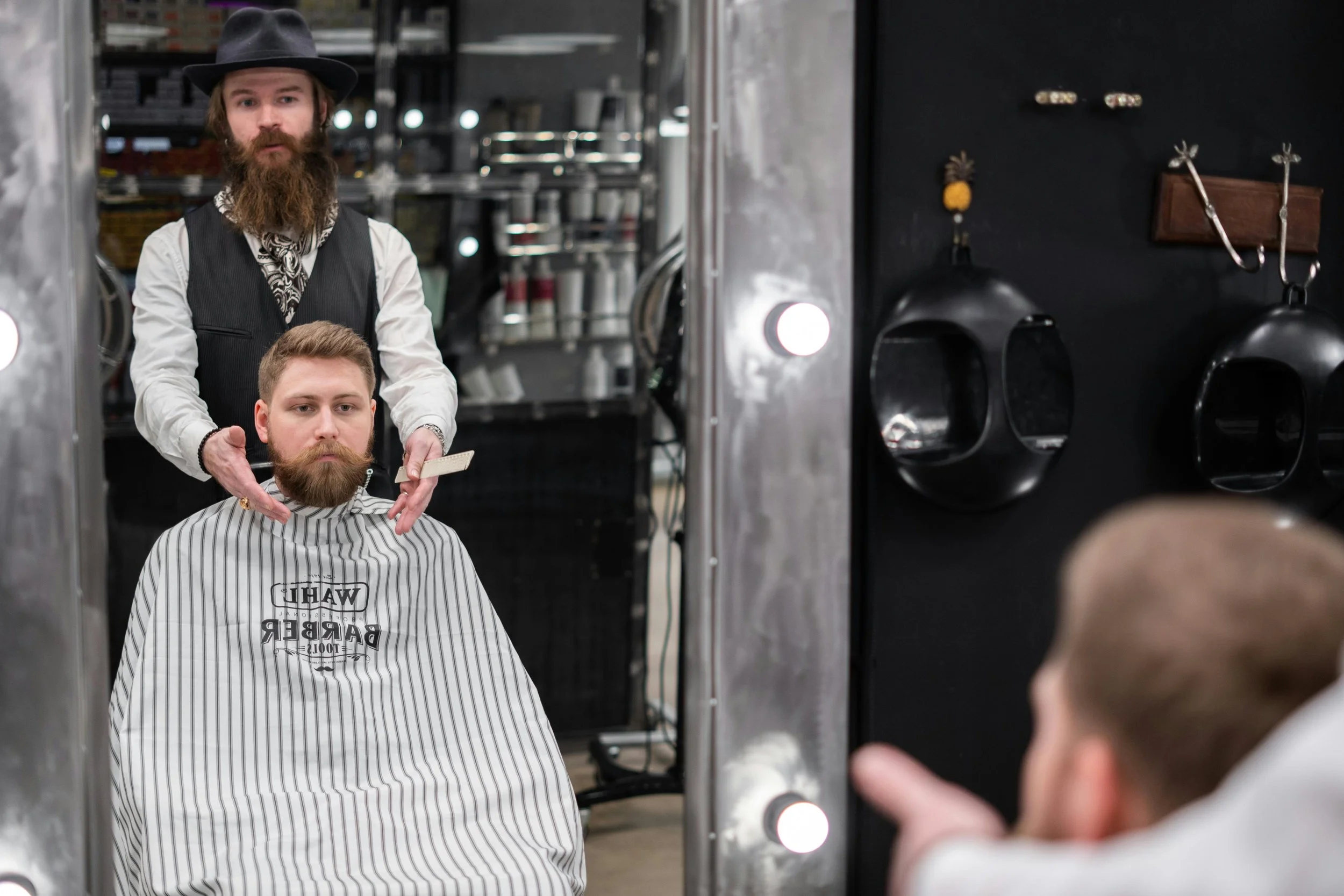
Hard Talks In The Barber Chair
Pricing conversations are another common stress point, especially when clients compare you to a chain salon. Treat questions in good faith, then break down your price structure: time, expertise, continuing education, overhead, and the quality of the overall haircut experience. A fast, low-cost “get in and get out” service is different from an elevated appointment with consistent timing, attention to detail, and a calm environment. Discounts require clarity, not improvisation. If you do not offer service discounts, say so plainly and apply it evenly across age, gender, and background to avoid confusion and resentment. If you do offer promotions or a loyalty program, put the terms in writing so both you and the client can point to the same policy.
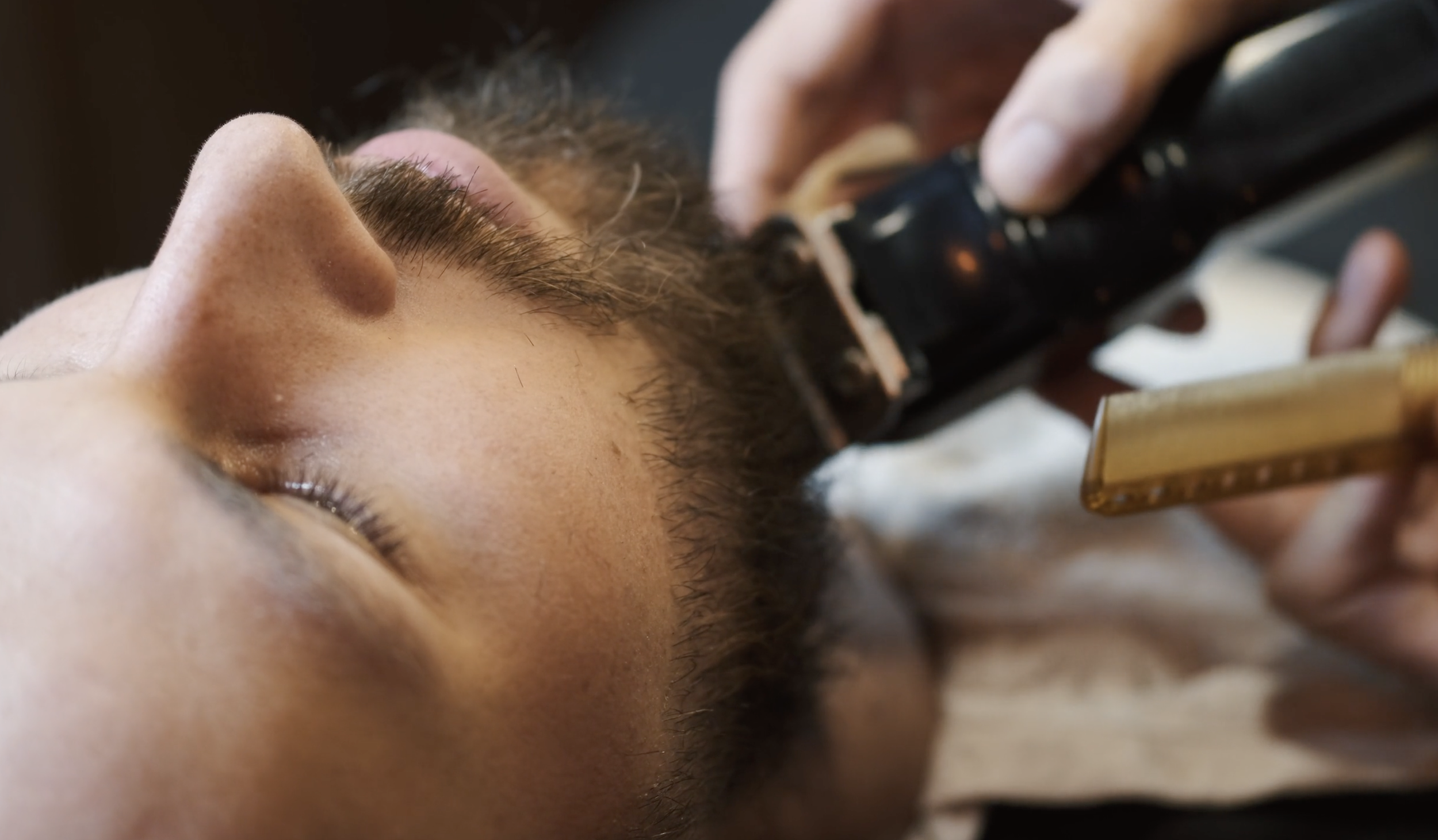
Barbering is a Different Business
Culture inside the shop matters, too. Historically, barbering has been male dominated and cosmetology has been female dominated, and those histories still influence communication norms, collaboration, and how competition plays out. Competitive drive can be useful, but insecurity mixed with peacocking and ego can turn small issues into major conflict, especially around clients moving between chairs. A client choosing a different barber is not theft, yet without emotional maturity and clear shop standards, that scenario can trigger resentment and toxic behavior. The healthiest barbershop networks normalize teamwork, referrals, shared learning, and professional respect. Great leadership sets expectations: protect the client experience, keep boundaries clear, and channel competition into craft improvement rather than personal drama.


Mastering Time Management
One of the key aspects we explore is the importance of maintaining an efficient appointment schedule. Every minute behind the chair counts, and reducing haircut times without sacrificing quality can enhance your earnings potential. Through personal stories from our experiences in barber school and busy shop environments, we highlight the significance of using timers to improve speed and efficiency. Setting up your workstation effectively is another critical element. By minimizing unnecessary movements and organizing tools according to their sequence of use, you can significantly enhance your workflow.

Season 6 Episode 1
Barbers today are stepping beyond the traditional role of just styling hair. They play a crucial part in educating clients about fundamental hair care practices. For instance, one common misconception they tackle is the importance of using separate bottles for shampoo and conditioner. Through relatable analogies, barbers demystify complex concepts such as pH balance, making them accessible to clients who might otherwise find them intimidating. This commitment to education not only empowers clients but also bridges the knowledge gap that often exists in the hair care industry.